
Cheap vs. Rugged: Why Consumer Devices Fail in the Warehouse
Posted by The ZPS Store on Jan 19th 2026
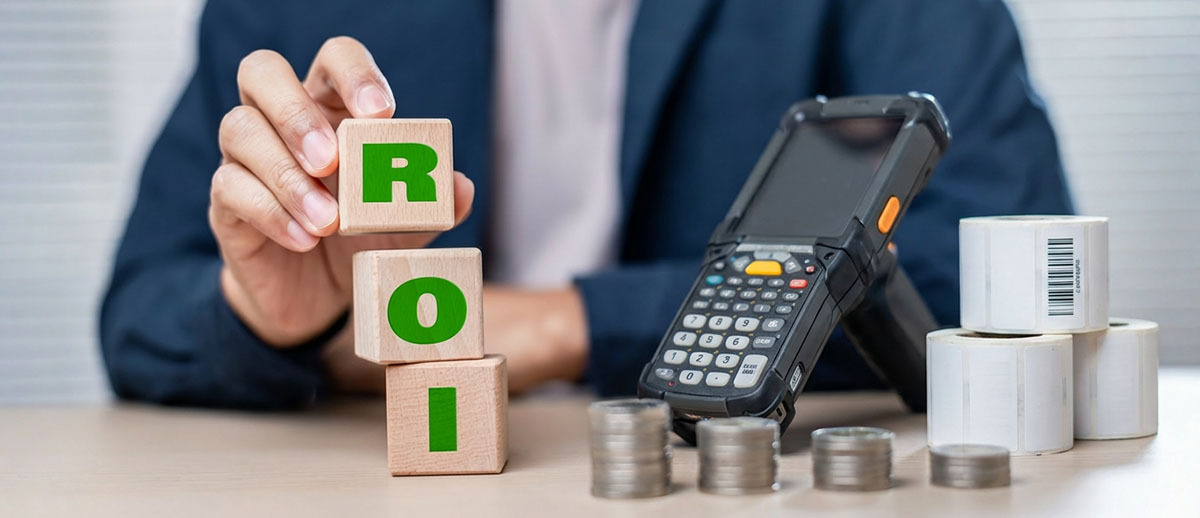
The Hidden Costs of "Consumer-Grade" Tech in Warehousing: A 3-Year ROI Analysis
In the push to digitize warehouse operations, many IT managers face a tempting fork in the road. On one side, you have the "consumer-grade" route: sleek, $400 tablets and $300 smartphones. On the other side sits the industrial path: purpose-built Zebra rugged mobile computers.
At first glance, the consumer option looks like a financial win. However, when you look at the 3-year Total Cost of Ownership (TCO), that "cheap" device often ends up costing 2 to 3 times more than its rugged counterpart. Here is how the costs actually break down.
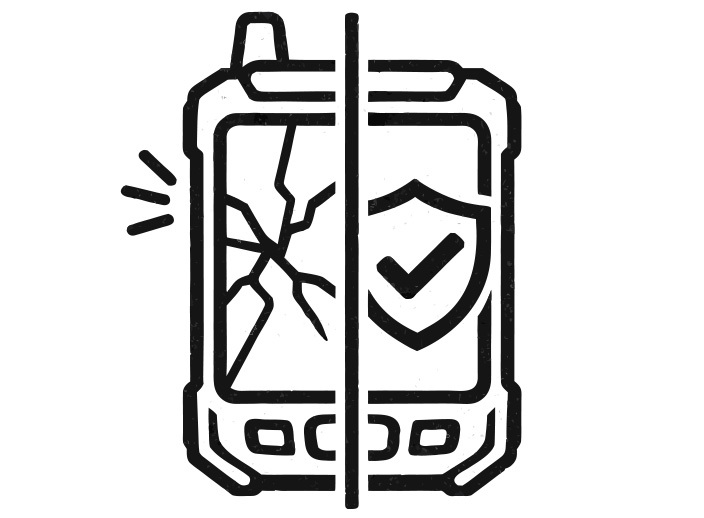
1. The Fragility Gap: Durability vs. Downtime
A consumer tablet is designed for a living room; a Zebra tablet is designed for a loading dock.
- The Consumer Experience: A drop from a picking cart onto concrete usually results in a spiderwebbed screen. Even with a "rugged" third-party case, consumer devices lack internal structural reinforcements.
- The Zebra Standard: Devices like the Zebra TC501 Mobile Computer & Zebra TC701 Handheld Computer are built with advanced impact physics. They are rated for multiple 6-foot drops to concrete and are sealed against the fine dust and moisture common in distribution centers (IP65/IP68).
- The TCO Impact: If a $400 consumer device breaks twice in three years—a conservative estimate for a high-volume warehouse—you aren't just paying for a replacement. You are paying for the four hours of worker downtime and the IT labor required to reprovision a new unit.
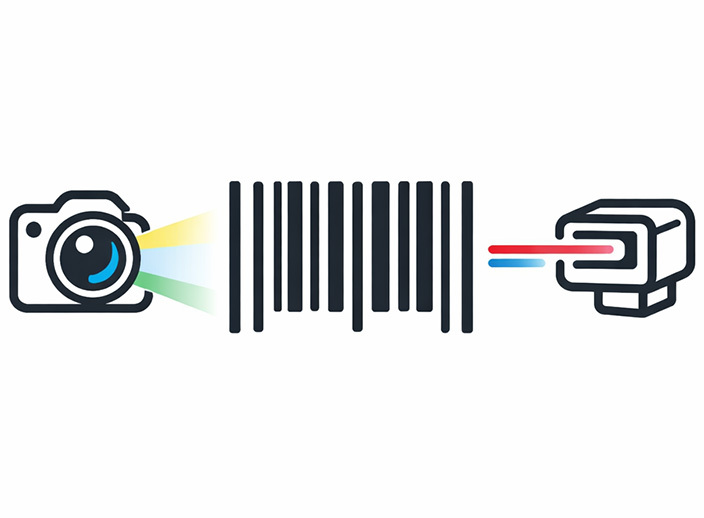
2. Scanning Efficiency: Camera vs. Dedicated Scan Engine
One of the most overlooked "hidden costs" is employee productivity. Consumer devices rely on the onboard camera to scan barcodes.
- Consumer Scanning: Requires the user to find the focus, align the crosshairs, and wait for the software to "snap" the image. This fails miserably in low light or when labels are torn, shrink-wrapped, or at a distance.
- Zebra Integrated Engines: Zebra devices feature dedicated SE4710 or SE55 Advanced Range scan engines. These use laser-aiming technology to capture data instantly, even if the barcode is damaged or 40 feet away on a high shelf.
- The TCO Impact: If a worker scans 500 items a day and a Zebra scanner is just 2 seconds faster per scan than a camera, you save 16 minutes per worker, per shift. Over a year, that is 60+ hours of recovered labor per employee.
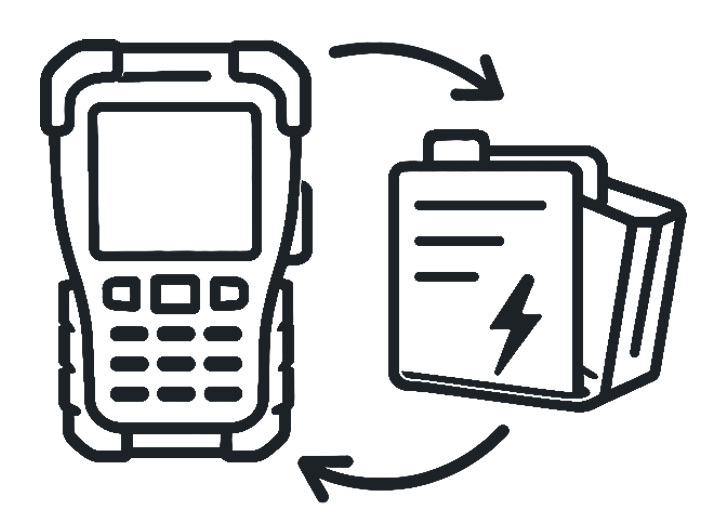
3. Power Management: The "Hot-Swap" Advantage
Consumer smartphones and tablets have sealed batteries. When the battery hits 0%, the device is tethered to a wall for two hours.
Zebra mobile computers feature hot-swappable batteries. With Zebra’s PowerPrecision+ technology, the device stays powered up during a battery change. Furthermore, the system provides health analytics so you can remove "aging" batteries before they fail mid-shift, preventing unexpected shutdowns.
4. Security and Longevity: Zebra LifeGuard™ vs. The OS "Dead End"
Consumer devices have a short commercial shelf life. Try buying the exact same smartphone model three years after its release—it’s nearly impossible.
- Security Vulnerabilities: Consumer manufacturers typically stop providing security patches after 2–3 years. In a warehouse environment, an unpatched Android device is a backdoor into your network.
- Zebra LifeGuard™ for Android: Zebra provides security support for up to 10 years. Even if Google stops supporting a version of Android, Zebra continues to provide "LifeGuard" patches to keep your data secure.
5. Staging and Management: Zebra Mobility DNA
The "IT Staging Time" for consumer devices is a hidden drain on resources. Manually configuring 50 tablets for Wi-Fi, apps, and permissions takes days of manual labor.
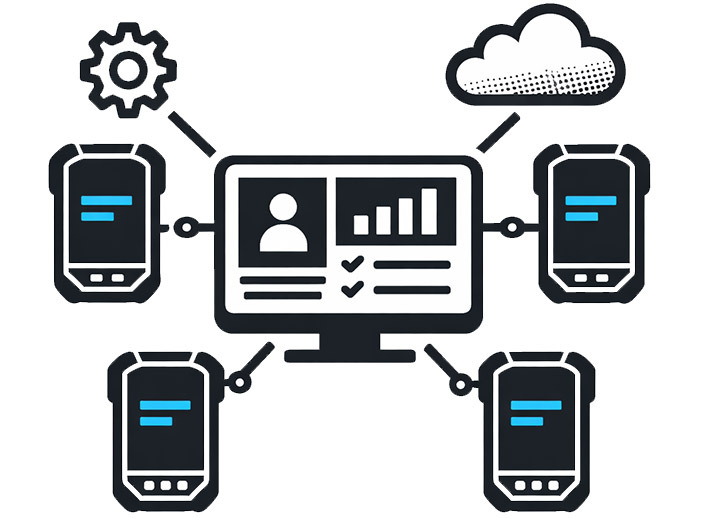
With Zebra Mobility DNA and Zebra StageNow, IT managers can configure thousands of devices with a quick scan of a barcode or a tap of an NFC tag. This "Application Ecosystem" allows you to:
- Restrict device usage to work apps only (Enterprise Home Screen).
- Diagnose hardware health remotely.
- Optimize Wi-Fi connectivity to prevent "dead spots" in large warehouses.

The 3-Year Cost Breakdown: Why "Cheap" Costs More
To understand the ROI, we must look at the cumulative investment over a standard 3-year hardware lifecycle.
The Consumer-Grade Investment (Approx. $2,850 total)
- Initial Hardware Purchase: $400 for the base unit.
- Expected Replacements: $800 (Averaging two replacement units due to drops, moisture, or battery failure).
- Staging & IT Support: $300 (Manual configuration and troubleshooting consumer OS updates).
- Productivity Loss: $1,200+ (Estimated labor loss due to slow camera-based scanning and device downtime).
- Accessories: $150 (Third-party cases and consumer chargers).
The Zebra Rugged Investment (Approx. $1,150 total)
- Initial Hardware Purchase: $950 (A premium industrial device like the ET40 or TC53).
- Expected Replacements: $0 (Built to withstand the 3-year cycle in harsh conditions).
- Staging & IT Support: $50 (Rapid deployment via Zebra StageNow).
- Productivity Loss: $0 (Instant scanning and zero downtime).
- Accessories: $150 (Industrial cradles and high-cycle charging pins).
Investing in Reliability
While the initial invoice for a Zebra TC53 or an ET40 is higher, the ROI is realized through "the absence of problems." You are buying the elimination of downtime, the acceleration of every scan, and the peace of mind that your devices won't be obsolete by next year’s peak season.
Don’t Let a "Cheap" Tablet Become Your Warehouse's Most Expensive Bottleneck.