
Discover the Zebra TC701 AI Mobile Computer: Integrated RFID & 100ft Scanning Range
Posted by The ZPS Store on Jan 14th 2026
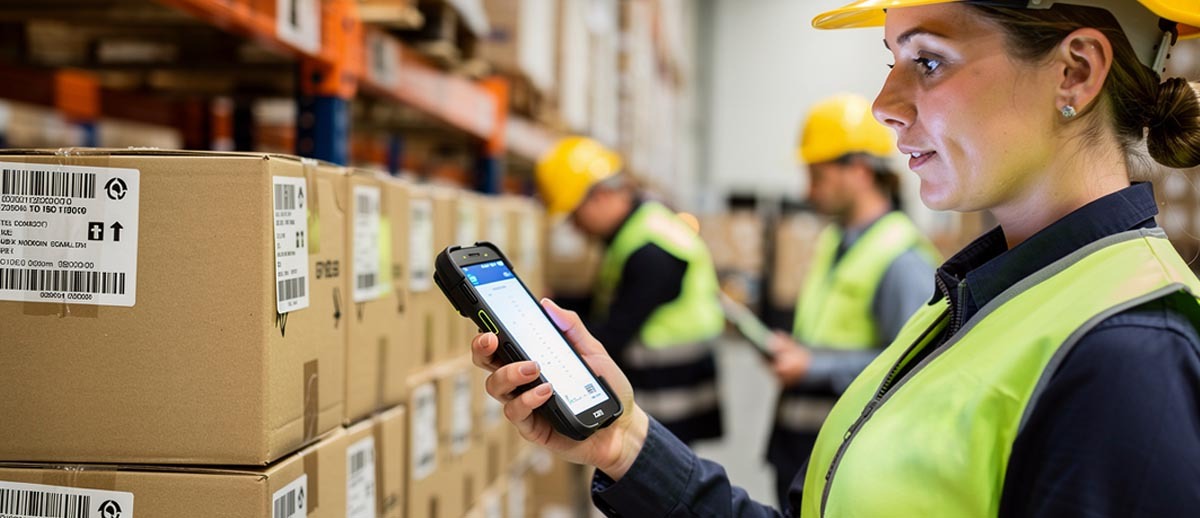
Revolutionizing Enterprise Mobility: An In-Depth Look at the Zebra TC701 Mobile Computer
In the fast-evolving landscape of enterprise mobility, the Zebra TC701 mobile computer stands out as a powerhouse designed to meet the demands of modern workflows. This advanced handheld device combines ultra-rugged construction with cutting-edge technology, making it a versatile tool for industries requiring reliable data capture, real-time communication, and intelligent processing. As businesses increasingly seek solutions that integrate artificial intelligence and seamless connectivity, the Zebra TC701 emerges as a forward-thinking option that enhances productivity while addressing the challenges of harsh environments. Whether you're managing inventory in a bustling warehouse or coordinating field operations, the TC701 Handheld offers core functionalities that prioritize efficiency, durability, and innovation.
At its heart, the Zebra TC701 is engineered for enterprise-grade performance, bringing primary core functionalities like advanced barcode scanning, RFID tracking, and AI-driven analytics to the market. It supports 1D and 2D barcode scanning with high precision, enabling quick data entry in logistics and retail settings. The device's communication capabilities, including WLAN and WWAN options, ensure uninterrupted connectivity, while its robust operating system provides a stable platform for custom applications. Beyond these basics, the TC701 introduces AI intelligence and built-in RFID, setting it apart from traditional mobile computers and opening new possibilities for end-users.
Unpacking the Specific Functionalities of the Zebra TC701
The Zebra TC701 boasts exceptional durability, making it ideal for demanding environments. With IP68 and IP65 sealing, it resists dust, water immersion, and high-pressure jets, ensuring reliability in wet or dusty conditions. It exceeds MIL-STD-810H standards, surviving drops from up to 12 feet (3.66 meters) onto concrete at room temperature and 8 feet (2.44 meters) across a wide temperature range from -4°F to 122°F (-20°C to 50°C). Additionally, it endures 3,500 tumbles from 3.3 feet (1 meter), which is up to 75% more than previous models in the TC series. This ruggedness is complemented by Gorilla Glass Victus on its 6-inch Full High Definition+ AMOLED display, which offers 1500 nits brightness for outdoor visibility and adaptive refresh rates for smooth operation.
Scanning capabilities are a standout feature of the Zebra TC701. It supports 1D and 2D barcodes through multiple engine options: the SR500 for standard-range tasks, the SR560 for moderate to intense scanning with high motion tolerance, and the AC670 advanced range color engine, which captures barcodes and high-resolution photos from up to 100 feet (30 meters) away. This extended scanning range is particularly useful in large warehouses or outdoor yards where users need to read labels from a distance without climbing or repositioning. The device also includes a 50MP rear camera with phase detection autofocus, an 8MP front camera, and an optional 13MP ultra-wide lens, enhancing its utility for visual inspections or documentation.
Running on the latest Android operating system with support for future updates, the Zebra TC701 ensures compatibility with enterprise software ecosystems. Its communication suite is comprehensive, featuring Wi-Fi 7 for tri-band connectivity (2.4 GHz, 5 GHz, and 6 GHz) with speeds up to 5.764 Gbps in the 6 GHz band, enabling low-latency data transfer in crowded networks. WWAN support includes 5G with carrier aggregation for global coverage, Bluetooth 6.0 for efficient peripheral pairing, and NFC for contactless transactions. Triple-band GNSS (GPS, GLONASS, Galileo, etc.) provides precise location tracking, even in remote areas.
Other notable functions include a Time-of-Flight (ToF) sensor for 3D data capture, such as parcel dimensioning or asset tracking, and Optical Character Recognition (OCR) for digitizing text from documents like license plates or invoices. The device offers hot-swappable batteries (5000 mAh standard or 7240 mAh extended) with wireless charging, ensuring minimal downtime. Programmable buttons, stereo speakers, and dual microphones further enhance usability for voice communications and alerts.
Bringing AI Intelligence to the Zebra TC701: Implications for End-Users
One of the most transformative aspects of the Zebra TC701 AI Computer is its integration of on-device artificial intelligence, powered by a dedicated AI engine within the Qualcomm Dragonwing Q-6690 octa-core processor. This chipset delivers up to 2.9 GHz speeds and supports up to 12 GB LPDDR5 RAM and 256 GB UFS 3.1 Flash storage—three times the RAM and eight times the Flash compared to legacy TC7 models. This hardware foundation enables AI applications to run efficiently without relying on cloud processing, reducing latency and data costs.
For end-users, this AI intelligence means smarter, more proactive workflows. Zebra's Frontline AI Suite allows rapid development of custom AI apps, turning complex tasks into automated processes in days rather than months. For instance, the Enterprise AI Camera app uses AI to detect dirty lenses, prompt retakes for blurry images, blur sensitive faces for privacy, and add timestamps to photos. AI-driven audio processing eliminates echoes and suppresses background noise, improving clarity in noisy environments like factories or construction sites.
On-device OCR configurations handle specialized scans, such as vehicle identification numbers (VINs) or tire identification numbers (TINs), streamlining inspections in automotive or logistics sectors. The ToF sensor, combined with AI, enables accurate 3D measurements for optimizing warehouse space or calculating shipping volumes. Overall, these features empower workers to make data-driven decisions in real-time, boosting accuracy, reducing errors, and enhancing safety. For businesses, it translates to higher throughput, lower training needs, and scalable intelligence that adapts to evolving operations.
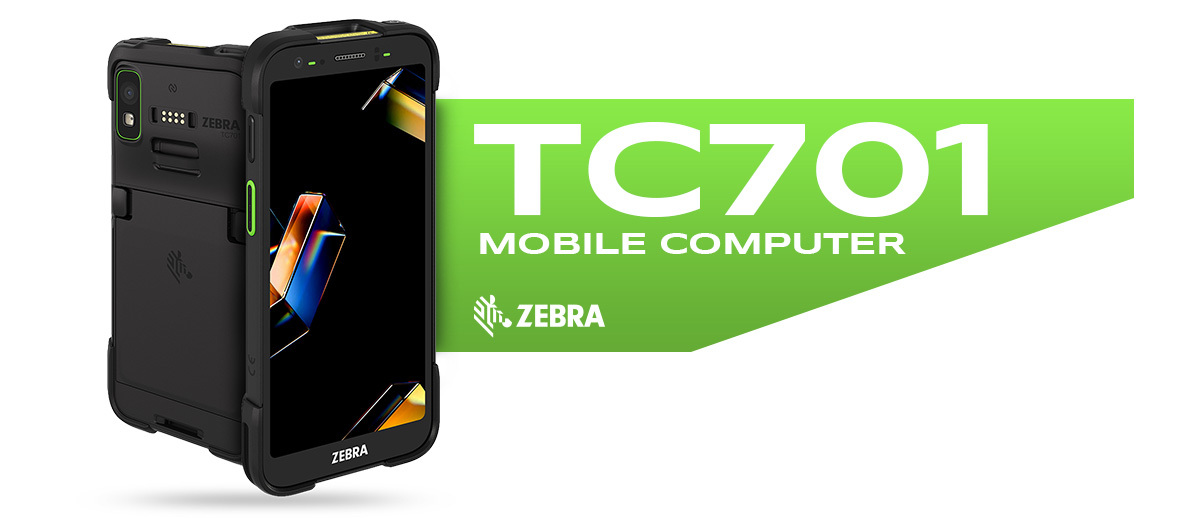
RFID Integration: A New Standard in the TC Series
Historically, RFID capabilities in the TC series required add-on sleds or standalone readers, adding complexity and cost. The Zebra TC701 RFID changes this by baking short-range UHF RFID into every model. Supporting EPC Class 1 Gen2 and Gen2 V2 standards, it reads over 200 tags per second at distances up to 6.5 feet (2 meters) in EU (865-868 MHz) and US (902-928 MHz) frequencies. This built-in functionality simplifies inventory management, asset tracking, and item location without extra hardware.
For end-users, integrated RFID means faster audits—scanning shelves or pallets in seconds—and improved accuracy in tracking high-value items. It eliminates the need to manage separate devices, reducing maintenance and training overhead. In retail, it enables quick stock checks; in healthcare, it tracks equipment; and in manufacturing, it monitors parts. This shift makes RFID accessible as a core tool, democratizing advanced tracking for smaller operations while scaling for enterprises.
Key Differences from Previous Models: Zebra TC73 and TC78
The Zebra TC701 builds on the TC73 (Wi-Fi-only) and TC78 (5G-enabled) but introduces significant upgrades. The Zebra TC73/TC78 mobile computers feature a Qualcomm 6490 processor with up to 8 GB RAM and 128 GB storage, Wi-Fi 6E, Bluetooth 5.2, and a 6-inch FHD+ display. They offer ruggedness with 10-foot drops and IP65/IP68 sealing but lack the TC701's integrated RFID, relying on optional holders that capture up to 1,300 tags per second.
Performance-wise, the TC701's Dragonwing processor provides nearly 300% more processing power and greater efficiency, extending battery life. It upgrades to Wi-Fi 7 for faster, more reliable connections in dense environments and Bluetooth 6.0 for better energy management. Memory expansions support more demanding AI apps, and the addition of a ToF sensor and advanced AI suite are absent in the predecessors. The TC701 is also lighter (10-11 oz) and more tumble-resistant, with enhanced thermal shock testing for extreme temperature shifts. While the TC73/TC78 excel in basic enterprise tasks, the TC701 targets AI and RFID-heavy use cases.
Common Applications and Use Cases for the Zebra TC701
The Zebra TC701 is most suitable in scenarios demanding robust data capture and intelligence. In warehousing and logistics, its long-range scanning and RFID enable efficient picking, packing, and inventory control. Retail environments benefit from AI-enhanced cameras for shelf audits and OCR for price checks. Field service technicians use 5G connectivity and GNSS for route optimization and on-site diagnostics. Manufacturing lines leverage durability and AI audio for hands-free communication amid machinery noise. Healthcare applications include asset tracking via RFID and secure data entry. Overall, it's ideal where mobility, resilience, and smart features intersect to minimize downtime and maximize insights.
Is the Zebra TC701 a Game Changer Worth Upgrading To?
For existing handheld mobile computer users, the Zebra TC701 presents compelling advancements, but whether it's a game changer depends on specific needs. If your operations involve AI-driven tasks, frequent RFID use, or require top-tier performance in ultra-harsh conditions, it's a significant leap—potentially increasing efficiency by 20-30% through on-device intelligence and integrated features. The juice is worth the squeeze for forward-looking businesses investing in future-proof tech, as it reduces reliance on add-ons and supports emerging apps. However, objectively, for users with TC73/TC78 handling basic scanning and communication, the upgrade may not be immediate. The TC701's higher cost (estimated 15-25% premium) and learning curve for AI tools could outweigh benefits if current devices suffice. Battery life improvements are marginal in non-AI scenarios, and without 5G needs, the TC73 remains viable. It's a strong consideration for upgrades during refresh cycles, but not universally urgent—evaluate based on ROI from AI and RFID gains.
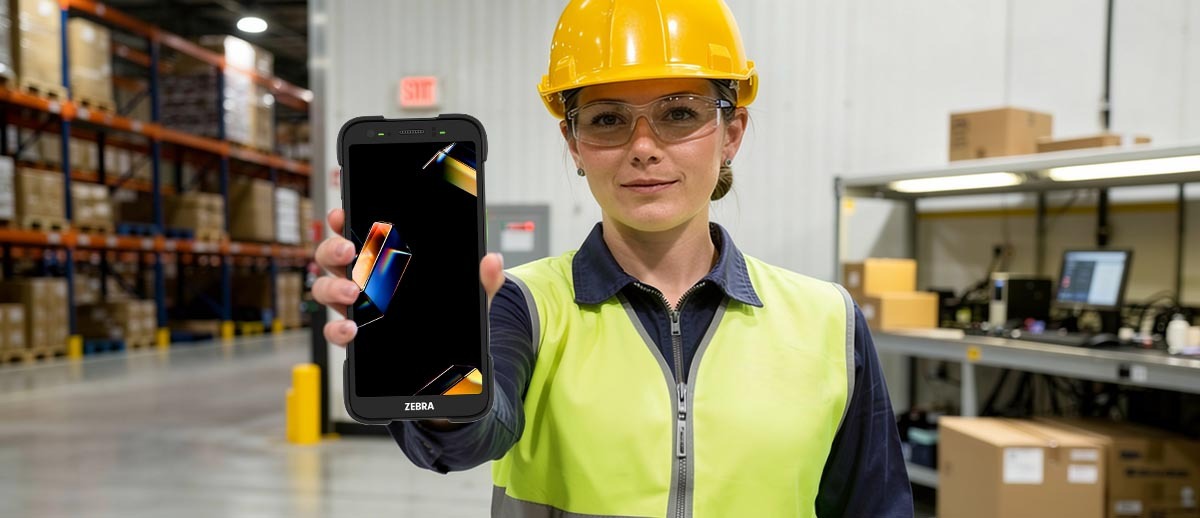
How will AI and RFID Integration Impact Our Workflow Efficiency?
Assess if on-device AI for OCR or image processing, plus built-in RFID, justifies the investment over scanners lacking these, potentially cutting task times but adding complexity.
1.) Does the device's ruggedness align with our environmental demands?
Compare drop specs, IP ratings, and temperature tolerance to ensure the TC701's premium durability isn't overkill for milder settings, where cheaper alternatives might endure.
2.) What are the total ownership costs, including software and support?
Factor in Android updates, Zebra's DNA tools, and 10-year lifecycle versus shorter support in budget scanners, balancing upfront price with long-term savings.
3.) How does connectivity performance stack up in our network?
Evaluate Wi-Fi 7 and 5G against competitors' Wi-Fi 6, considering if faster speeds reduce latency enough to offset costs in high-data environments.
4.)Can it scale with future AI apps without hardware changes?
Probe memory and processor capabilities for emerging tech, as traditional scanners may require frequent replacements, while the TC701 offers headroom.
The Zebra TC701 mobile computer redefines enterprise handhelds by fusing durability, advanced scanning, and AI smarts into a compact form. It empowers users to tackle complex tasks with ease, making it a strategic choice for innovative operations.
Talk to an Expert