
Positive Patient ID Checklist: How Zebra Hardware Protects Your Patients
Posted by The ZPS Store on Jan 27th 2026

Healthcare Error Prevention: The Role of Positive Patient ID (PPID)
The modern hospital ward is a high-stakes environment where every second and every millimeter of accuracy matters. For decades, healthcare facilities relied on manual checks to bridge the gap between a physician’s order and the patient’s bedside. However, human error is an inherent risk in high-pressure clinical settings.
Positive Patient ID (PPID) has emerged not just as a compliance requirement, but as a fundamental pillar of patient safety. By leveraging the combined power of Zebra Technologies’ purpose-built hardware and the expert implementation strategies of The ZPS Store, hospitals are transforming their workflows to virtually eliminate identification-related medical errors. This guide explores why hardware is a clinical intervention and provides actionable steps to harden your facility's defenses.
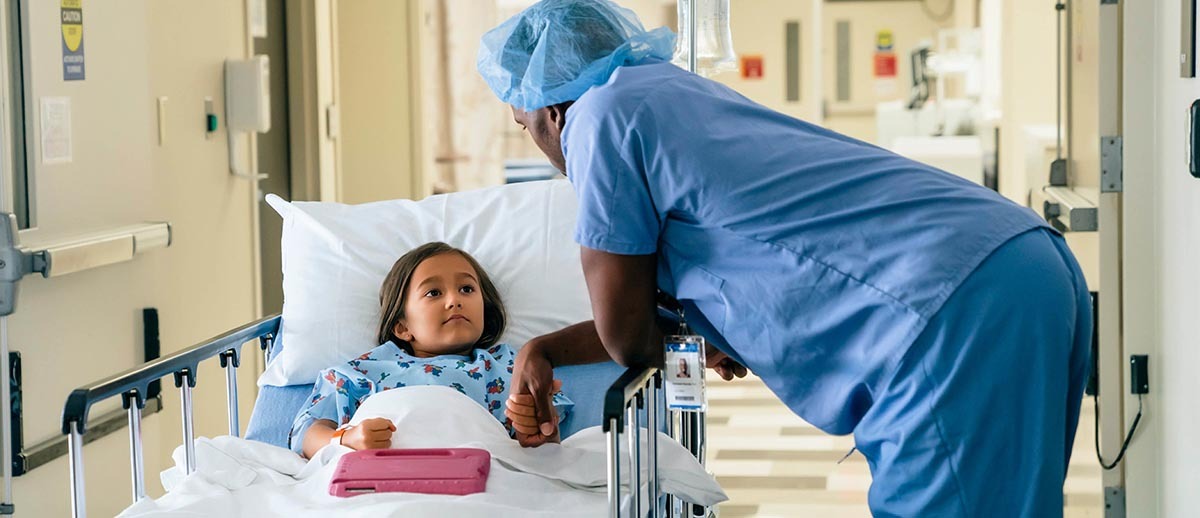
The Bedside: The Final Barrier Against Error
The concept of "scanning at the bedside" is the most effective deterrent against the "five rights" of medication administration failures: the right patient, the right drug, the right dose, the right route, and the right time. When a nurse scans a Zebra barcoded wristband, they are opening a secure, real-time digital link to the Electronic Health Record (EHR).
When this process is executed at the point of care, the margin for error shrinks to near zero. Traditional methods often involved "pre-pulling" medications at a centralized station, creating a dangerous window where labels could be swapped. By utilizing Zebra’s healthcare-grade scanners, such as the DS8100-HC series, clinicians verify identity and medication in a single motion. If the data doesn't match, the system provides an immediate alert, stopping a potential adverse drug event before it occurs.
- Actionable Step: Audit your workflow for "workarounds." If nurses are scanning "extra" labels at a desk instead of at the bedside, it is often due to hardware friction. Switching to cordless, Bluetooth-enabled scanners like the Zebra DS8178-HC removes the physical "tether," encouraging point-of-care compliance.
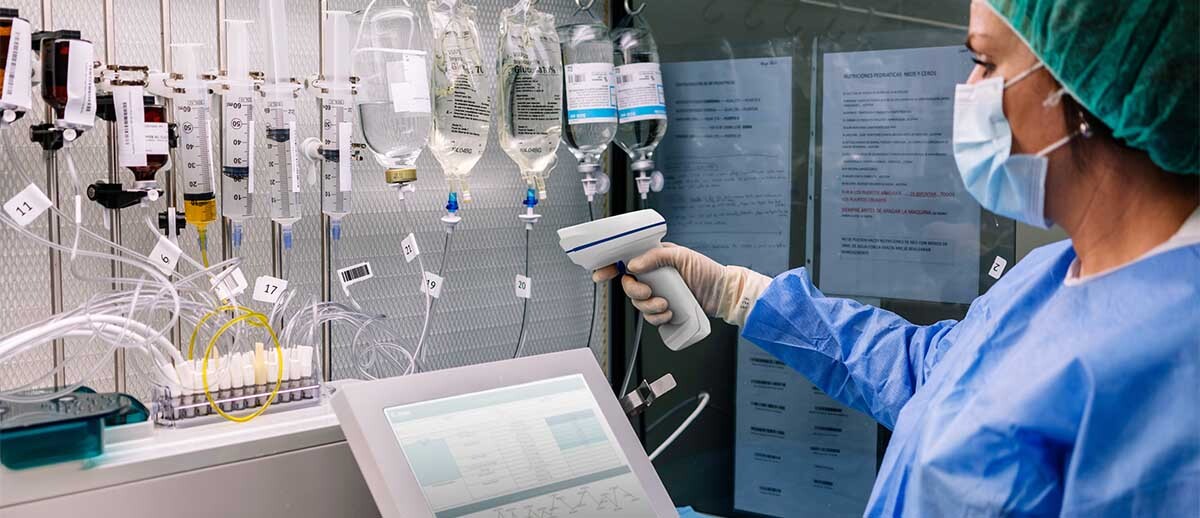
Engineering Safety: Antimicrobial Plastics vs. Standard Casings
One of the most overlooked aspects of healthcare hardware is the physical material of the device. In a retail environment, a scanner casing is built for impact resistance. In a clinical setting, it must be a soldier in the war against Healthcare-Associated Infections (HAIs).
Standard plastic casings are porous at a microscopic level. Over time, harsh chemical disinfectants—bleach, hydrogen peroxide, and isopropyl alcohol—cause these plastics to become brittle or "craze." These tiny fissures become breeding grounds for bacteria like MRSA or C. diff. Furthermore, once the structural integrity is compromised, fluids can seep into the internal electronics, leading to premature device failure.
Zebra’s healthcare scanners are engineered with medical-grade antimicrobial plastics. These materials are non-porous and infused with silver-ion additives that actively inhibit bacterial growth. More importantly, they withstand thousands of wipe-downs with aggressive cleaning agents without degrading. For a facility manager, this means a longer hardware lifecycle; for a patient, it means one less vector for cross-contamination.
- Actionable Step: Perform a "Crazing Audit" on your current fleet. Inspect scanners for small, spider-web-like cracks. If visible, your cleaning protocols are compromising your hardware. Contact The ZPS Store to transition to Zebra’s disinfectant-ready casings.
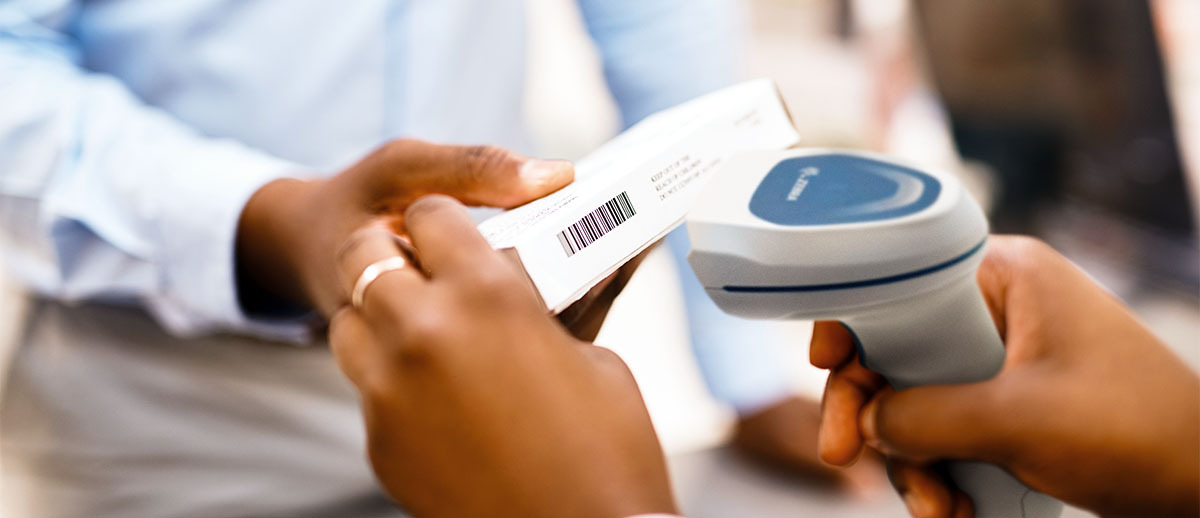
The Foundation of PPID: The Zebra Z-Band Wristband
A PPID system is only as reliable as the barcode it relies on. If a patient’s wristband smudges or fades, the safety protocol breaks down. Zebra’s Z-Band wristbands are the gold standard because they are lab-tested to remain scannable for up to 14 days, surviving constant exposure to water and hand sanitizers.
These bands are designed for the "Quiet Hospital" initiative. When paired with a Zebra healthcare printer like the Zebra ZD510-HC Wristband Printer, they feature 2D barcodes that can be scanned from any angle. This reduces the need for nurses to "wrist-wrestle" or wake sleeping patients to find a scannable surface.
- Actionable Step: Test your current wristbands against common hospital chemicals. If the barcode becomes unreadable after exposure to 70% isopropyl alcohol, your safety loop is broken. The ZPS Store provides
cartridges that are "drop-in" ready, eliminating the need for manual calibration.

Why the Supplier Matters: The ZPS Store Expert Advantage
Selecting hardware is only half the battle. Successful PPID integration requires understanding how hardware interacts with EHR software like Epic, Cerner, or Meditech. This is where The ZPS Store acts as the essential bridge.
As a premier supplier and solutions provider, The ZPS Store ensures your Zebra hardware is perfectly matched to your facility's needs. They provide more than just equipment; they offer technical calibration and lifecycle support. They understand that a scanner in the ICU has different requirements than one in the pharmacy, and they guide your procurement to maximize both clinical safety and ROI.
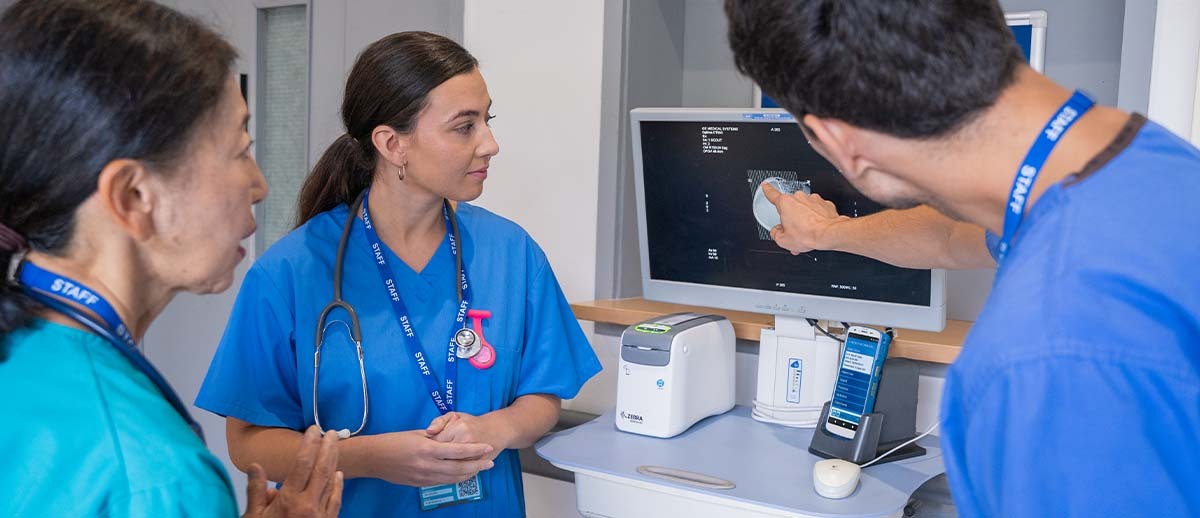
Your PPID Implementation Checklist
To move from theory to practice, healthcare leaders can follow these four steps to ensure a robust identification environment:
- Audit for Durability: Ensure all point-of-care devices (scanners and mobile computers) are made of disinfectant-ready, antimicrobial plastic to prevent infection spread and device failure.
- Standardize Scannability: Use high-durability thermal wristbands (like Zebra Z-Bands) that remain legible throughout the entire patient stay, even after repeated exposure to sanitizers.
- Prioritize Mobility: Deploy cordless scanners or mobile computers (like the Zebra TC52-HC) to ensure that scanning happens at the bedside, not at a distant workstation.
- Consult the Experts: Before a large-scale rollout, consult with The ZPS Store to ensure firmware compatibility with your EHR and to verify that your hardware can withstand your specific facility's cleaning agents.
As we look toward the future of healthcare, Positive Patient ID is the baseline for "zero harm." By combining Zebra’s rugged hardware with the strategic guidance of The ZPS Store, providers are building a fail-safe environment where technology serves as a silent, vigilant guardian for every patient.